
The historical journey of casinos from ancient games to modern entertainment
Understanding the psychology behind casino gaming Insights from chicken road
7 de março de 2026The Influence of Gambling on Greek Culture A Comprehensive Analysis
7 de março de 2026The historical journey of casinos from ancient games to modern entertainment
The historical journey of casinos from ancient games to modern entertainment
Origins of Gambling in Ancient Civilizations
The history of casinos begins with the ancient practice of gambling, which dates back thousands of years. The earliest evidence of gambling can be traced to ancient China, where rudimentary games of chance were played using tiles and dice. Similarly, ancient Egyptians engaged in betting activities, and archaeological findings suggest that the practice was a part of their cultural and social rituals. Today, players can enjoy thrilling games like those found on topomole.games, which blend excitement with opportunities to win.

As civilizations evolved, so did the complexity of gambling games. In Rome, citizens would wager on chariot races and gladiator contests, reflecting both the societal norms and the thrill of competition. These early forms of gambling laid the groundwork for more organized games and betting establishments, ultimately leading to the development of the modern casino.
The Birth of Gaming Houses in the Middle Ages
With the passage of time, gambling transitioned from informal settings to more structured environments, particularly during the Middle Ages. The first official gaming houses emerged in Italy, where the term ‘casino’ itself was born. These establishments were initially used for social gatherings and festivities, with games like dice and card games gaining popularity among the elite.
As gaming houses proliferated, they began to attract a diverse clientele. The rise of leisure activities among the nobility fostered an environment where gambling became a fashionable pastime. This shift marked the transition from clandestine gambling activities to regulated gaming establishments, setting the stage for the evolution of modern casinos.
The Influence of the Renaissance and the Enlightenment
The Renaissance brought a renewed interest in arts, science, and humanism, which also influenced gambling practices. The introduction of card games, such as the game of baccarat, became a significant aspect of the gaming culture in Europe. This period saw an explosion of creativity in gaming, with new rules and variations emerging to captivate players.
The Enlightenment further advanced the idea of probability and mathematics in gambling. Thinkers like Blaise Pascal contributed to the understanding of chance, which in turn shaped the design of games and betting systems. This intellectual evolution allowed casinos to innovate their offerings, making gambling more appealing to a broader audience.
The Rise of Modern Casinos in the 19th Century
The 19th century marked a significant turning point in the history of casinos, particularly with the establishment of iconic venues like the Casino de Monte-Carlo in Monaco. These grand establishments epitomized luxury and entertainment, attracting affluent patrons from across Europe and beyond. The allure of gaming expanded into a more sophisticated form of entertainment, complete with lavish shows and exquisite dining.
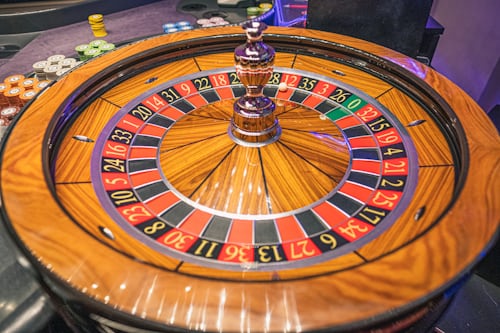
This era also saw the introduction of popular games such as poker and roulette, which have become staples of modern casinos. The combination of strategic gameplay and chance attracted a wide audience, leading to the growth of gaming as a major entertainment industry. The evolution continued with the advent of Las Vegas, which became synonymous with casino culture in the 20th century, revolutionizing the gambling landscape.
Contemporary Online Gaming and the Future of Casinos
In recent years, the casino industry has undergone a digital transformation, with online casinos becoming increasingly popular. This shift has made gambling accessible to a global audience, allowing players to engage in their favorite games from the comfort of their homes. Innovations in technology have led to the development of immersive gaming experiences, such as live dealer games and virtual reality environments.
Websites like InOut Games now offer diverse gaming options, blending traditional elements with modern technology. This evolution reflects not only the changing preferences of players but also the ongoing commitment to responsible gaming. As the industry continues to adapt, it remains to be seen how casinos will evolve, but one thing is clear: the journey from ancient games to contemporary entertainment has been nothing short of remarkable.
